Emotional Boundaries in Christian Dating: Protect Your Heart

INTRODUCTION
Everyone tells you to “guard your heart” in Christian dating. But here’s what they don’t tell you: Most Christian men have no idea what that actually means until they’re already emotionally entangled with someone who isn’t right for them.
I’ve had countless conversations with Christian men who thought emotional boundaries meant just avoiding sexual sin. They kept their hands to themselves, showed up at church together, and checked all the “good Christian couple” boxes. But six months into the relationship, they found themselves anxious, exhausted, and questioning everything they knew about themselves—all because they never learned to protect their emotional world.
Here’s the contrarian truth: Physical boundaries are easier to set than emotional ones. You can draw a line about where your hands go. (See our guide on physical boundaries in Christian dating for those specifics.) But emotional boundaries? Those require you to understand patterns you might not even recognize as dangerous.
In this guide, you’ll learn:
- What emotional boundaries in Christian dating actually look like
- The subtle manipulation tactics Christian men often miss
- How codependency develops (and how to avoid it)
- Practical ways to maintain your emotional health while dating
- Red flags that indicate someone doesn’t respect your boundaries
This isn’t about building walls. It’s about building a foundation that can actually support a healthy marriage.
What Are Emotional Boundaries in Christian Dating? (Definition)
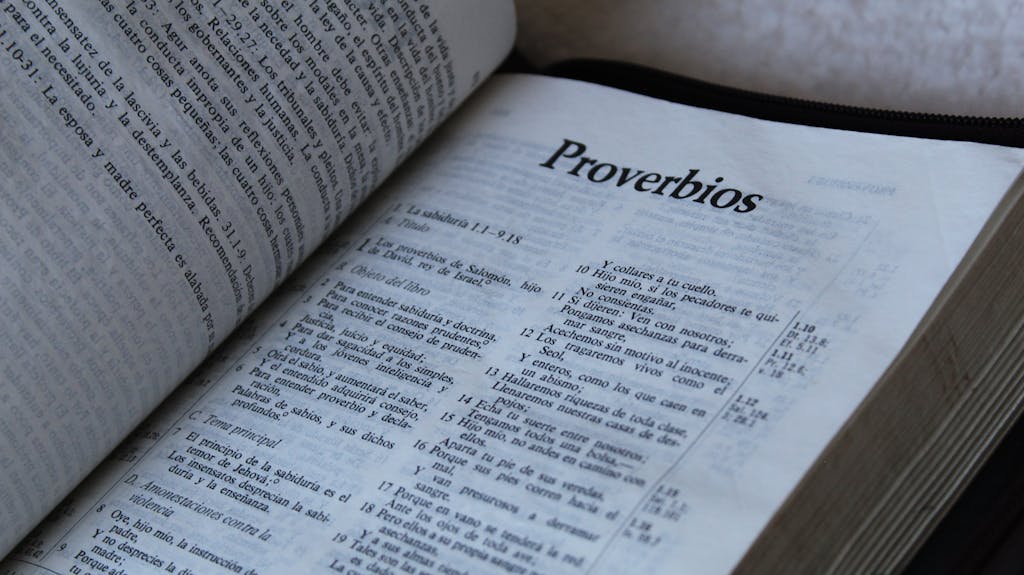
Emotional boundaries in Christian dating are protective guidelines rooted in biblical wisdom that safeguard your emotional well-being while allowing genuine intimacy to develop at a healthy pace.
Think of it like tending a garden. You need a fence—not to keep everything out, but to protect what’s growing inside from being trampled. Emotional boundaries are that fence. They allow good things in (trust, vulnerability, connection) while keeping destructive patterns out (manipulation, codependency, emotional chaos).
The Bible gives us clear guidance here. Proverbs 4:23 says, “Keep thy heart with all diligence; for out of it are the issues of life” (KJV). Notice it doesn’t say “give your heart away immediately to anyone who seems nice.” It says guard it. That’s active protection, not passive hope.
1 Thessalonians 5:21 adds another layer: “Prove all things; hold fast that which is good” (KJV). In dating, this means testing patterns over time—not assuming someone’s character based on how they act when they’re trying to impress you.
Ephesians 4:15 gives us the balance: “But speaking the truth in love, may grow up into him in all things, which is the head, even Christ” (KJV). Emotional boundaries aren’t about being cold or distant. They’re about being truthful about your needs, limits, and feelings while maintaining love and respect.
So when we talk about emotional boundaries in Christian dating, we’re talking about protecting your emotional health, maintaining your sense of self, and building intimacy at a pace that honors both people involved—not just whoever’s pushing harder.
Why Emotional Boundaries Matter More Than You Think

I’ve noticed something in conversations with Christian couples: The men who struggled most in their marriages weren’t the ones who had weak physical boundaries during dating. They were the ones who ignored emotional red flags because they didn’t want to seem “unloving” or “judgmental.”
Here’s what happens without emotional boundaries in Christian dating: You start managing her emotions instead of your own. You find yourself constantly anxious about her mood. You adjust your behavior, your friendships, even your convictions to keep the peace. Before you know it, you’ve lost yourself—and you’re not even married yet.
This isn’t just uncomfortable. It’s unsustainable. And more importantly, it’s not what God designed for relationships. These codependency patterns don’t magically disappear at the altar—they intensify. See our guide on Christian Marriage Boundaries to understand how these patterns play out long-term.
For women specifically: Pay attention to how he responds when you’re upset. In my experience, men who immediately try to “fix” your emotions or become defensive when you express feelings often struggle with emotional boundaries. This pattern typically indicates he sees your emotions as his responsibility to control rather than validate. If he can’t let you feel what you feel without making it about him, that’s worth discussing openly before engagement. This often shows up in early dating as constant check-ins, needing reassurance, or becoming visibly upset when you need space—patterns that typically intensify in marriage without intentional growth.
The reality is this: Emotional boundaries protect both people in a relationship. They prevent codependency. They maintain individual identity. They allow both people to grow without losing themselves in the process.
When you have strong emotional boundaries, you can love someone without needing them. That’s the difference between healthy attachment and codependency. You choose to be with them because you value them, not because you can’t function without them.
The 5 Core Emotional Boundaries Every Christian Man Needs

1. The “I’m Responsible for My Emotions, Not Hers” Boundary
This might be the hardest one for Christian men to grasp because we’re taught to be protectors and providers. But there’s a difference between supporting someone through difficult emotions and taking responsibility for managing their emotional state.
In dating relationships I’ve observed, codependency often starts here. He feels responsible every time she’s upset. She learns (consciously or unconsciously) that her emotional distress gets his immediate attention and action. The pattern reinforces itself until he’s walking on eggshells, constantly monitoring her mood.
Here’s what this boundary looks like in practice:
- You can listen and support without fixing
- You can validate her feelings without taking them on as your burden
- You can maintain your own emotional equilibrium even when she’s struggling
- You’re not responsible for her happiness—only for treating her with love and respect
Men, listen carefully: This is your opportunity to demonstrate emotional maturity that will serve your marriage for decades. When you can stay grounded while she experiences difficult emotions, you’re showing her you can handle the hard parts of life together. That’s not coldness—that’s strength.
2. The “I Can Say No Without Guilt” Boundary
Christian men often struggle here because we conflate boundaries with selfishness. But saying “no” isn’t unloving. Sometimes it’s the most loving thing you can do.
I’ve noticed men in healthy dating relationships practice this early and often:
- “I need tonight to decompress—let’s talk tomorrow.”
- “I can’t take on that commitment right now.”
- “That doesn’t work for me.”
No explanation. No defense. Just a clear statement of what they need.
If she responds with guilt-tripping, manipulation, or the silent treatment? That tells you everything you need to know about whether she’ll respect your boundaries in marriage.
For women specifically: If he says no and you immediately feel abandoned, anxious, or angry, that’s worth examining. In my experience, women who struggle when a man sets boundaries often have their own attachment issues that need addressing. This pattern frequently indicates difficulty with interdependence—being connected without being enmeshed. If your first response to his “no” is to question his love for you, consider whether you’re seeking reassurance he can’t provide. This typically suggests underlying insecurity that exists independent of his behavior.
3. The “I Maintain My Other Relationships” Boundary
When you start dating, it’s normal to want to spend a lot of time together. But I’ve watched countless Christian men abandon their friendships, hobbies, and communities because their girlfriend wanted all their free time.
Fast forward to marriage, and they have no support system. No outlet. No life outside the relationship. That’s not romantic—it’s isolating.
Healthy emotional boundaries mean:
- You still hang out with your guys
- You maintain your involvement in church, sports, hobbies
- You have time alone to recharge
- Your identity isn’t absorbed into “couple”
If she views your friendships as threats or competition, that’s a red flag. A woman who’s secure in herself wants you to have a full life. She doesn’t need to be the center of your entire world to feel loved.
4. The “I Don’t Share Everything Immediately” Boundary
Vulnerability is important. Emotional intimacy requires sharing. But there’s a difference between appropriate vulnerability and emotional dumping.
In the Christian dating relationships I’ve seen succeed, both people understood this: Emotional intimacy is earned over time through consistent behavior, not fast-tracked through oversharing in the early stages.
Sharing your deepest fears, past wounds, and family trauma on the third date isn’t intimacy—it’s often a manipulation tactic (even if unintentional). It creates artificial closeness that hasn’t been earned through trust-building over time.
Q: “But doesn’t the Bible say to confess our faults to one another? Shouldn’t I be completely open?”
A: James 5:16 tells us to confess our faults “one to another”—meaning within the context of mature Christian community and accountability, not to someone you just started dating. Wisdom means discerning what to share, when, and with whom. Early dating isn’t the time to unpack every wound and trauma. That level of vulnerability requires a foundation of trust built through consistent, observed character over time—not instant emotional connection.
5. The “I Trust My Gut When Something Feels Off” Boundary
Christian men are often taught to be patient, to give grace, to not judge. And those are good values. But they can also make you ignore obvious warning signs because you don’t want to be “that guy” who overreacts.
In my conversations with men who married too quickly or ignored red flags, they almost always say the same thing: “I knew something was off. I just didn’t trust myself enough to address it.”
Emotional boundaries include trusting your instincts when:
- She says one thing but her behavior shows another
- You feel anxious or on edge around her
- Small issues keep repeating despite conversations
- You find yourself making excuses for her behavior to friends
- Your gut tells you something isn’t right, even if you can’t articulate why
Q: “How do I know if it’s my gut or just my fear of commitment?”
A: Pattern consistency over time. Fear of commitment typically shows up as general anxiety about the relationship itself—”Am I ready for this?” Gut instinct about a specific person usually attaches to concrete behaviors you can name: “She criticizes my friends,” “She shuts down when I set boundaries,” “She can’t have a disagreement without threatening to leave.” If you can point to repeated patterns that concern you, that’s not commitment fear—that’s discernment.
⚠️ CODEPENDENCY QUICK CHECK
Take 30 seconds and honestly answer yes or no:
□ Do you feel anxious or unsettled when she’s upset?
□ Do you adjust your plans or behavior to manage her mood?
□ Do you feel responsible for her happiness?
□ Have you pulled back from friendships or hobbies since dating?
□ Do you feel guilty when you set boundaries or say no?
□ Does she make you feel like your needs are less important?
□ Do you find yourself making excuses for her behavior to others?
3+ YES: You’re showing codependency patterns that need immediate attention.
What to do:
- Read our complete guide on Christian Dating Boundaries to understand healthy relationship dynamics
- Have an honest conversation with her about what you’ve noticed
- Consider talking to a counselor if patterns don’t change
- See our list of Christian relationship counselors
1-2 YES: Normal relationship growing pains, but watch for escalation.
0 YES: You’re maintaining healthy emotional boundaries—keep it up.
Recognizing Emotional Manipulation in Christian Dating

This is where emotional boundaries become critical, because manipulation often hides behind spiritual language.
I’ve noticed these manipulation tactics repeatedly in Christian dating contexts:
“If you really loved me, you would…” This is guilt-based manipulation. Love doesn’t demand proof through specific actions. Real love respects boundaries.
“I thought you were different from other guys.” Translation: “I’m disappointed you have standards.” This phrase usually shows up when you set a boundary she doesn’t like.
“God told me we’re supposed to be together.” The most dangerous manipulation in Christian dating. If God told her, He would have told you too. Beware anyone who claims divine revelation as a reason you should override your concerns.
“You’re being selfish/unspiritual/unloving.” Labeling your boundaries as character flaws is manipulation. Healthy people respect boundaries without attacking your character for having them.
The silent treatment or emotional withdrawal when you set boundaries. Withholding affection or communication to punish you for having needs is emotional abuse, not a relationship disagreement.
For women specifically: Watch how he responds to your success, friendships with other men (even casual ones), or time you spend without him. I’ve observed that men who are secure don’t feel threatened by your full life—they celebrate it. Men who make you feel guilty for having interests outside the relationship, who interrogate you about male coworkers, or who subtly criticize your friends often struggle with insecurity that typically manifests as control in marriage. If his discomfort with your independence leads to accusations, monitoring, or attempts to limit your world, that’s not protective love—that’s often the early stage of controlling behavior. (These same patterns show up in how both men and women handle opposite-gender friendships—healthy people maintain appropriate friendships without jealousy or control.)
If you’re seeing these patterns, that’s not love. It might be attachment, attraction, or desire for control—but it’s not the self-giving love that Paul describes in 1 Corinthians 13.
🚩 MANIPULATION RED FLAGS CHECKLIST
Watch for these specific phrases and patterns:
Guilt-Based Control: □ “If you really loved me, you would…”
□ “I thought you were different from other guys”
□ “You’re being selfish/unloving/unspiritual”
Spiritual Manipulation: □ “God told me we’re supposed to be together”
□ “You’re not trusting God if you have doubts”
□ “I prayed about this and God showed me…”
Emotional Punishment: □ Silent treatment when you set boundaries
□ Withdrawing affection to get what she wants
□ Crying or emotional meltdowns when you say no
If you’re seeing 2+ of these patterns regularly:
- Name the behavior directly: “When you say X, I feel like you’re trying to manipulate me rather than respect my boundary.”
- Review our guide on how to set boundaries without guilt
- If the patterns continue after addressing them, that’s critical information about her character
- Consider ending the relationship—manipulation escalates, it doesn’t fix itself
Need to talk through what you’re experiencing? See our guide to finding a Christian relationship counselor
How Codependency Develops (And How to Avoid It)
Codependency is when your emotional well-being becomes dependent on another person’s emotional state, behavior, or approval. Understanding emotional boundaries in Christian dating is essential to avoiding these codependent patterns before they take root. It’s incredibly common in Christian dating because we confuse it with “dying to self” or “putting her first.”
Here’s how it typically develops:
Stage 1: The Intensity Phase Everything feels incredible. You’re together constantly. You finish each other’s sentences. You’ve never felt this connected to anyone. Christian couples often mistake this for “God bringing us together.”
But intensity isn’t intimacy. It’s often just enmeshment.
Stage 2: The Need Phase You start to “need” each other. Not in the healthy interdependence way, but in the “I can’t function well without you” way. You check your phone constantly. You feel anxious when you’re apart. You start making all decisions together, even small ones.
Stage 3: The Management Phase Now you’re managing each other’s emotions. She’s upset, so you cancel plans to comfort her. You’re stressed, so she feels responsible for fixing it. Your moods become interconnected. When one person is down, both are down.
Stage 4: The Identity Loss Phase You’ve lost track of where you end and she begins. Your hobbies have become “couple hobbies.” Your friends are now “couple friends.” You can’t remember the last time you did something just for yourself without considering how it would affect her.
This isn’t what God designed for relationships. Genesis 2:24 says a man leaves his father and mother and “cleaves” to his wife—but that’s in the context of marriage, and it doesn’t mean losing your identity. Even in the most intimate union, you’re still two whole people choosing to join your lives, not two half-people trying to become whole.
How to avoid codependency:
- Maintain your individual identity throughout dating. Your relationship should add to your life, not replace it.
- Don’t make her your primary source of validation. God is your source. Brothers in Christ are your accountability. She’s your companion, not your identity.
- Notice if you’re constantly worried about her emotions. That’s a sign you’re taking on responsibility that isn’t yours.
- Check yourself: Can you be happy when she’s upset? If her bad mood automatically makes you spiral, you’ve crossed into codependency.
- Be honest about your needs. Don’t sacrifice them to keep the peace. Resentment builds when you consistently ignore your own well-being.
📚 RECOMMENDED READING: Breaking Free from Codependency
If you’re recognizing codependency patterns in your relationship (or want to prevent them), the single most helpful resource I’ve encountered is Boundaries by Dr. Henry Cloud & Dr. John Townsend.
What makes it essential:
- Breaks down exactly how codependency develops
- Biblical framework + practical psychology
- Specific scripts for communicating boundaries
- Addresses the “good Christian” guilt trap
- Real examples from Christian relationships
I’ve watched this book transform how men approach dating and marriage. It’s not just theory—it gives you language for conversations you’ve been avoiding.
Price: ~$15 on Amazon
Reading time: Most guys finish it in 2-3 weeks
Best for: Any Christian man who struggles to say “no” without guilt
See full review + 6 other essential boundary books here →
Real-World Scenarios: Emotional Boundaries in Action
Here’s how these boundaries actually work in real dating situations. (For a complete list of all boundaries you should have in place, see our 15 Non-Negotiable Christian Dating Boundaries.)
Scenario 1: She Gets Upset When You Have Guys’ Night
The Situation: You tell her you’re playing basketball with the guys Friday night. She says “fine” but then becomes distant, gives short responses, or makes comments about how you “always” choose your friends over her.
The Emotional Boundary Response: “I notice you seem upset about me going out Friday. I want to understand what’s going on, but I also need you to know that spending time with my friends is important to me. Can we talk about this directly instead of indirectly?”
Why It Matters: Healthy relationships allow both people to maintain friendships outside the relationship. If she regularly makes you feel guilty for having a life outside of her, that pattern typically intensifies after marriage.
Scenario 2: She Shares Heavy Emotional Trauma Very Early
The Situation: You’re three dates in and she’s sharing detailed stories about family dysfunction, past relationship trauma, or deep personal wounds.
The Emotional Boundary Response: “I appreciate you trusting me with this. I can tell this is really heavy for you. I want to be supportive, and I also want to make sure we’re both protecting ourselves emotionally as we get to know each other. Have you been able to talk through these things with a counselor or close friends?”
Why It Matters: Oversharing early can be a sign of poor boundaries or an attempt to create artificial intimacy before it’s been earned. Healthy emotional boundaries mean not taking on someone else’s emotional healing as your responsibility.
Scenario 3: She Threatens to End the Relationship During Disagreements
The Situation: Every time you have a disagreement or don’t do what she wants, she says things like “Maybe we shouldn’t be together” or “I don’t know if this is going to work.”
The Emotional Boundary Response: “When you say that during disagreements, it makes me feel like you’re using the relationship as leverage to get what you want. That doesn’t feel healthy to me. If you’re questioning whether we should be together, we should have that conversation when we’re both calm—not in the middle of a disagreement.”
Why It Matters: Using the relationship as a weapon during conflict is manipulative. This pattern often indicates someone who hasn’t learned healthy conflict resolution and sees threats as the way to get their needs met.
Scenario 4: You Feel Responsible for Her Happiness
The Situation: You notice you’re constantly monitoring her mood, adjusting your behavior to keep her happy, and feeling anxious when she seems even slightly upset.
The Emotional Boundary Response: Self-reflection first: “Am I taking on responsibility for her emotions that isn’t mine? Am I sacrificing my own needs to manage her feelings?” Then, if needed: “I care about you and want to support you, but I’m noticing I feel responsible for your happiness in a way that isn’t healthy. I need us to both be responsible for our own emotional well-being.”
Why It Matters: You can’t be responsible for someone else’s emotions. That’s codependency, not love. Each person must own their emotional world.
Scenario 5: She Criticizes Your Boundaries as “Unloving”
The Situation: When you set a boundary—needing time alone, maintaining friendships, or saying no to something—she responds by saying you’re being selfish, cold, or don’t really love her.
The Emotional Boundary Response: “I hear that you’re disappointed, but calling my boundaries ‘unloving’ isn’t fair. I have needs that are just as valid as yours. If you see my having needs as a threat to our relationship, we need to talk about that.”
Why It Matters: Anyone who frames your boundaries as character flaws is showing you they don’t respect your autonomy. This is a major red flag that often escalates after commitment.
FAQ: Common Questions About Emotional Boundaries
Q: “Isn’t setting boundaries unbiblical? Aren’t we supposed to ‘lay down our lives’ for others?”
A: Laying down your life (John 15:13) is about sacrificial love in the context of mature, committed relationships—not about having no limits in dating. Jesus Himself set boundaries constantly. He withdrew from crowds to pray (Luke 5:16). He said no to people’s demands (John 6:15). He left towns when people rejected Him (Matthew 10:14). Boundaries aren’t selfish—they’re essential for healthy love. You can’t love someone well if you’ve lost yourself in the process.
Q: “How do I know if I’m being too rigid with my boundaries?”
A: Rigid boundaries look like walls—they keep everything out, including good things. Healthy boundaries are more like a fence with a gate. You’re selective about what you let in, but you’re not closed off to vulnerability, compromise, or growth. If you find yourself refusing all emotional vulnerability, unwilling to consider her perspective, or using boundaries as a way to avoid intimacy entirely, you might be too rigid. Healthy boundaries protect you while still allowing connection.
Q: “What if she says my boundaries show I’m not ready for a relationship?”
A: If having boundaries means you’re “not ready for a relationship,” then she’s really saying she’s not ready for a healthy relationship. Mature, secure people respect boundaries. They understand that two whole people make a healthier relationship than two people who’ve lost themselves. If she requires you to have no boundaries to prove your love, that’s not love she’s asking for—that’s control.
Conclusion
Emotional boundaries in Christian dating aren’t about being guarded, cold, or selfish. They’re about protecting what God has entrusted to you—your heart, your identity, your emotional well-being—so you can build something real that lasts.
Here’s what we’ve covered:
- Emotional boundaries are biblical. Guarding your heart isn’t optional—it’s commanded.
- Codependency often hides behind “selfless love.” Don’t confuse losing yourself with loving someone well.
- Manipulation is common in Christian dating. Learn to recognize it, especially when it’s wrapped in spiritual language.
- Healthy relationships allow both people to maintain their identity. If you’re losing yourself to be with her, something’s wrong.
- Your needs matter as much as hers. Boundaries aren’t selfish—they’re essential.
If you’re currently dating:
- Evaluate your current boundaries—do you have them? Are you enforcing them?
- Notice how she responds when you set boundaries. Does she respect them or push back?
- Check yourself for codependency patterns. Are you managing her emotions? Losing your identity?
- Have honest conversations about what you need. Don’t wait until you’re engaged to address these patterns.
If you’re preparing for dating:
- Do the work now to understand your emotional boundaries before you meet someone.
- Practice setting boundaries in other relationships (friendships, family) so it’s natural when dating starts.
- Read books on boundaries. See our guide to the best Christian books on boundaries.
- Talk to married men you respect about how they maintained emotional health in dating.
You don’t need to be perfect at this. You just need to be intentional. Emotional boundaries aren’t walls that keep love out—they’re the foundation that lets love grow strong.
Related Articles:
- Christian Dating Boundaries: The Complete Guide
- Christian Relationship Boundaries: 7 Essentials
- How to Set Boundaries as a Christian (Without Guilt)
Start with one boundary. Practice it this week. And watch what happens when you protect what matters.